
Essential Maintenance Tips for Portable Generators

Portable generators are very useful in a wide range of industries, combining the benefits of mobility with the convenience of on-site power generation. These generators provide essential temporary electrical power in the event of natural disasters or blackouts as well as to sites that are not yet connected to the grid, like construction sites. Because of the important role they play, these generators should be properly maintained to ensure they run smoothly and reliably. 
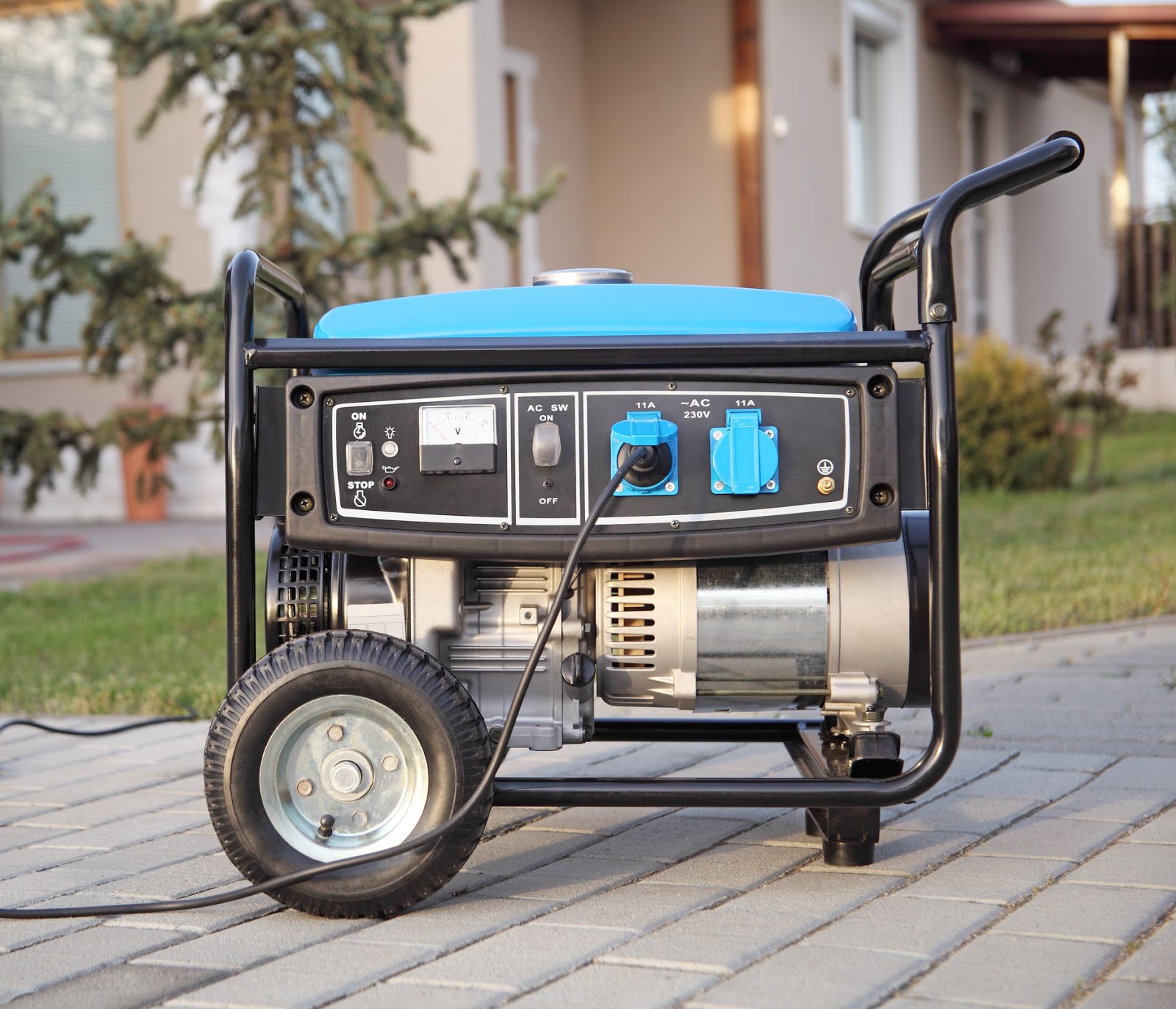
Portable Generator
Important Note 

If you rent or hire your portable generator, the company you hire should take care of all your maintenance and repair needs, 24/7. If the generator does not perform or requires repairs, it should be swapped out for a similar model. 

Maintenance Tips for Owners of Portable Generators 

The maintenance of a portable generator is similar to that of a permanent generator, with a few important differences. For example, if you use your generator for temporary electrical power when there is a blackout to keep your business operable, the generator’s maintenance needs will be less than if it is used continuously for power generation through the year at different construction sites. 

Maintenance needs are also affected by the type of fuel your generator uses. Diesel generators require little overall maintenance and are well-suited to power generation in rough operating conditions, while gas generators require more frequent maintenance to check for leaks and to service the spark ignition and pistons.  

The general guidelines for any owner of a portable generator are: 
  • Check: Make sure fluid levels are correct (coolant, fuel, and engine oil), check the battery, charger, and cables to ensure they are in good condition, look for damage to the exhaust system, pipes and muffler, and check that the circuit breaker is closed. 
  • Inspect: Before and after use, inspect the generator for leaks, clean out any debris, and check the coolant heater and coolant lines. 
  • Replace: Depending on the frequency of use and storage conditions, replace the fuel filters and air filters at least once a year. Replace any worn-out parts like belts, and make any upgrades as recommended by the manufacturer. 
  • Test: Run your generator for around 20 minutes to clear out old fuel, perform load bank testing, diagnose any potential problems, and check that control panels and diagnostics are fully functional. 
Hire or Buy a Portable Generator for Prime or Temporary Electrical Power 

Energy Power Systems Australia is the leading provider of commercial and industrial power generation solutions in Australia, the Solomon Islands, and Papua New Guinea. We work closely with the construction, resources, and mining, agriculture and facilities management industries to deliver world-class prime and temporary electrical power generators along with superior technical and after-sales support. 

Comments

Popular posts from this blog

A Guide to Different Types of Commercial and Industrial Fluid Chillers

Fluid chillers in Australia are used in a variety of different industries, including the food and beverage industry, manufacturing, pharmaceutical, and chemical manufacturing sectors. Running on electrical power , this industrial equipment provides critical cooling and temperature control, and utilizing the right type of fluid chiller will optimize productivity, improve efficiency and lower operating costs.  Types of Industrial Fluid Chillers in Australia By Condenser Type   Air-cooled chillers: Air-cooled fluid chillers use the air in the environment around them assisted by fans to remove heat from the refrigerant in the condenser. It then runs the refrigerant back through the system to provide cooling. As a result, the air around these chillers is usually very warm and they are not recommended in applications where this will be an issue. These systems are often portable, available in both large and small-scale commercial versions, are relatively affordable a...

Know the Difference Between kW and kVA When You Hire a Generator

When you want to hire a generator , you’re going to find yourself knee-deep in industry jargon that can make the process a bit confusing. The last thing you want is to hire the wrong diesel generators for your needs, so it’s important to know certain terms in order to make the process easier. Here’s some insight from the CAT rental team. When you ask about diesel generators, the first thing a salesperson will enquire about is the size you require for your commercial or industrial project. Generator size is measured in kilovolt-amperes (kVA), but it’s a term that isn’t well-known outside the industry. Usually, when people hire a generator, they know how much power they need in terms of kilowatts (kW) but not kVA. What is the Difference Between kW and kVA? kW are a unit of real power and a kW rating of diesel generators is how much power they can output based on the horsepower of the engine. Essentially, it is how much power the generator actually has. kVA is a measure of ...

Do's and Dont's of First Time Generator Use

With the development of technology, more and more affordable generators are more accessible for customers to choose from. No matter how small their budget, customers have the option to choose from  gas generators ,  electric generators , and diesel generators . There are a couple of tips to remember for new users as following   If you a re a  first-time user of a generator, there are some important t hings that you should  keep in mind as you prepare your new unit.  Whether you are prepping a generator to support a business in the event of power loss ,  or about to fire up your generator at home after a major storm, keep these tips in mind to help avoid both generator damage and injury or loss of life.   Do's   Do plan ahead for how much power you will need to draw from the generator.  It is important to have a generator that can produce more power than you think you will need in order to avoid overload....